

Serving all of South Florida and the Treasure Coast
Blinds and Shades Explained for Palm Beach County Homeowners
Homeowners often use the words blinds and shades interchangeably. The terminology can also vary by region and country. Within the window-treatment industry, however, blinds usually have individual slats or vanes, while shades are generally made from a continuous piece of fabric or woven material.
Typical blinds include faux-wood horizontal blinds and vertical blinds. Common shades include roller shades, solar shades, zebra shades, honeycomb or cellular shades, woven-wood shades and Roman shades.
Neither category is automatically better. The right choice depends on the window, the room, the desired appearance, privacy, sunlight, cleaning needs, how often the treatment will move and whether motorization is important.
Quick Comparison: Blinds vs. Shades
| Consideration | Blinds | Shades |
|---|---|---|
| Common products | Faux-wood blinds and vertical blinds | Roller, solar, zebra, cellular, woven wood and Roman |
| Typical appearance | Traditional and practical | Cleaner, softer or more modern |
| Lowest-cost choices | Usually faux wood or vertical blinds | Roller shades are normally the most cost-effective shade |
| View when open | Slats or stacked vanes remain visible | Roller shades retract into a compact cassette for a wide-open view |
| Cleaning | Hard surfaces are generally easier to wipe | Fabric requires more care and can stain or discolor |
| Motorization | Faux-wood and vertical blinds are generally manual | Most shade styles can be motorized |
Which Products Cost the Least?
From the most economical options upward, pricing commonly progresses from faux-wood blinds and vertical blinds to roller shades, zebra shades, and then honeycomb, woven-wood and Roman shades. Final pricing depends heavily on the exact dimensions, number of treatments, operating system and installation conditions.
For a representative 48-by-72-inch window, typical PBSS installed pricing is approximately:
| Window treatment | Typical installed price |
|---|---|
| Faux-wood blind | About $165 |
| Light-filtering roller shade | About $210 |
| Blackout roller shade | About $210 |
| Solar shade | About $210 |
| Zebra shade | About $325 |
These are planning examples, not fixed quotes, and applicable sales tax is additional. Faux-wood blinds commonly range from about $75 to $180 installed. Vertical blinds may range from approximately $225 to $550, depending largely on width and height. Roller-shade projects can range from about $110 for a small manual shade to approximately $2,000 for a very large motorized treatment.
PBSS pricing includes professional measuring, the product, delivery, installation, programming of motorized shades and ongoing local service.
Why Roller Shades Are the Most Popular Shade
Roller shades are the most frequently purchased shade because they balance price, function and a clean appearance. They are available in light-filtering, blackout and solar-screen fabrics, and the base pricing for those fabric categories is often similar. Size and motorization usually affect the price more than the fabric selection.
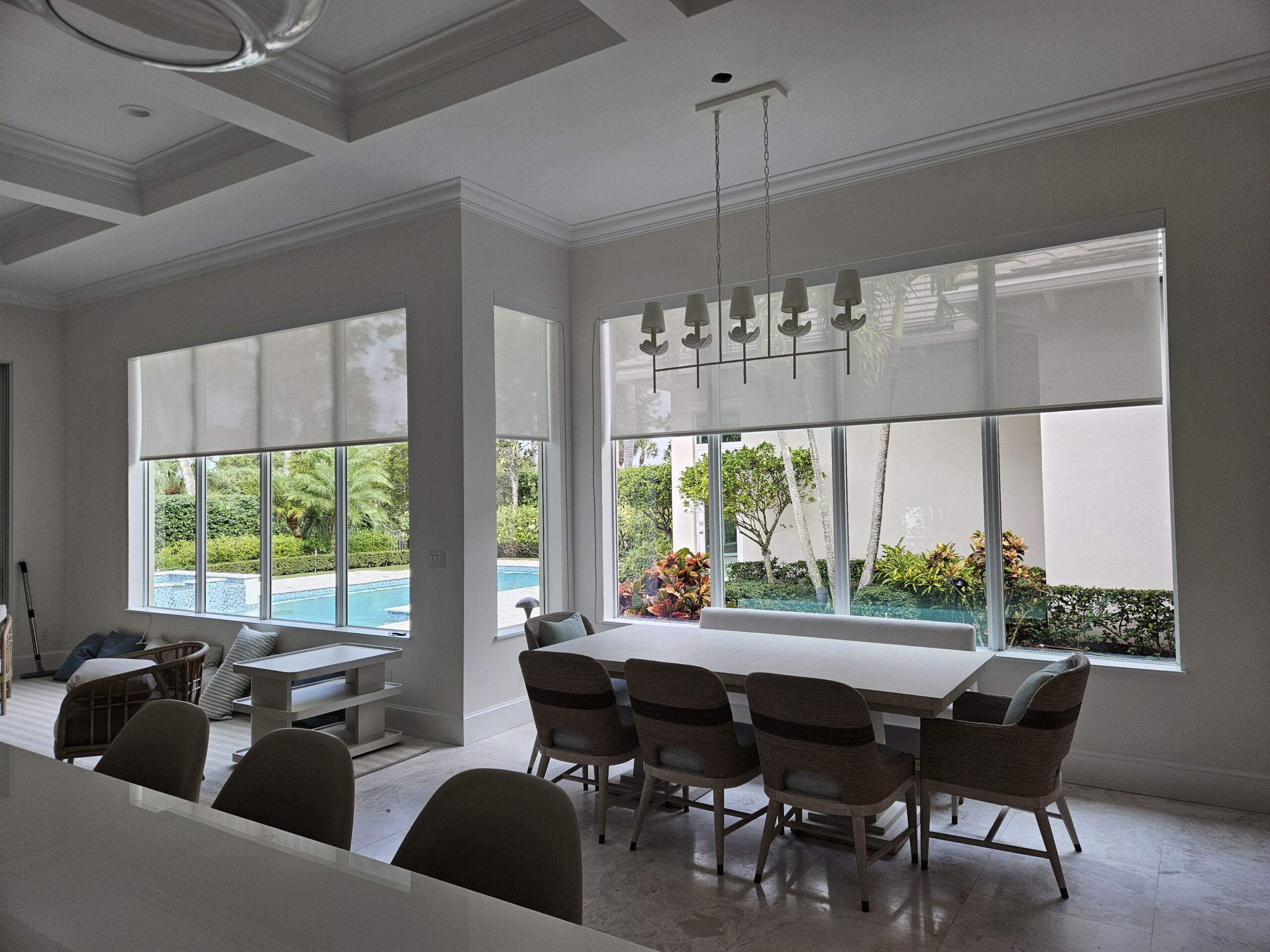
When raised, a roller shade retracts into a small cassette and nearly disappears. This works especially well in Palm Beach County homes where customers want large, open windows and unobstructed water, garden or city views.
Light Filtering, Blackout or Solar?
Light-filtering shades
Light-filtering fabric softens daylight and provides daytime and nighttime privacy without making the room completely dark. It is a strong choice for living areas and for bedrooms where the homeowner prefers to wake naturally with the morning sun.
Blackout shades
Blackout fabric is designed for customers who need a darker bedroom, nursery, media room or other light-sensitive space. The fabric blocks light, although small light gaps can remain around the edges unless the installation includes specialized side-channel or room-darkening details.
Solar shades
Solar shades are particularly effective for east- and west-facing windows, waterfront homes and high-rise condominiums. They reduce heat and glare, help protect flooring, furnishings and artwork from fading, and preserve the outside view during daylight hours.
Important privacy note: solar shades do not provide the same privacy at night. During the day, people outside have a very obstructed view into the home. At night, when the house is illuminated and it is dark outside, that effect reverses and visibility into the home increases. Where nighttime privacy matters, a solar shade can be paired with draperies or a second privacy or blackout roller shade in a dual-shade system.
What About Zebra, Cellular, Woven-Wood and Roman Shades?
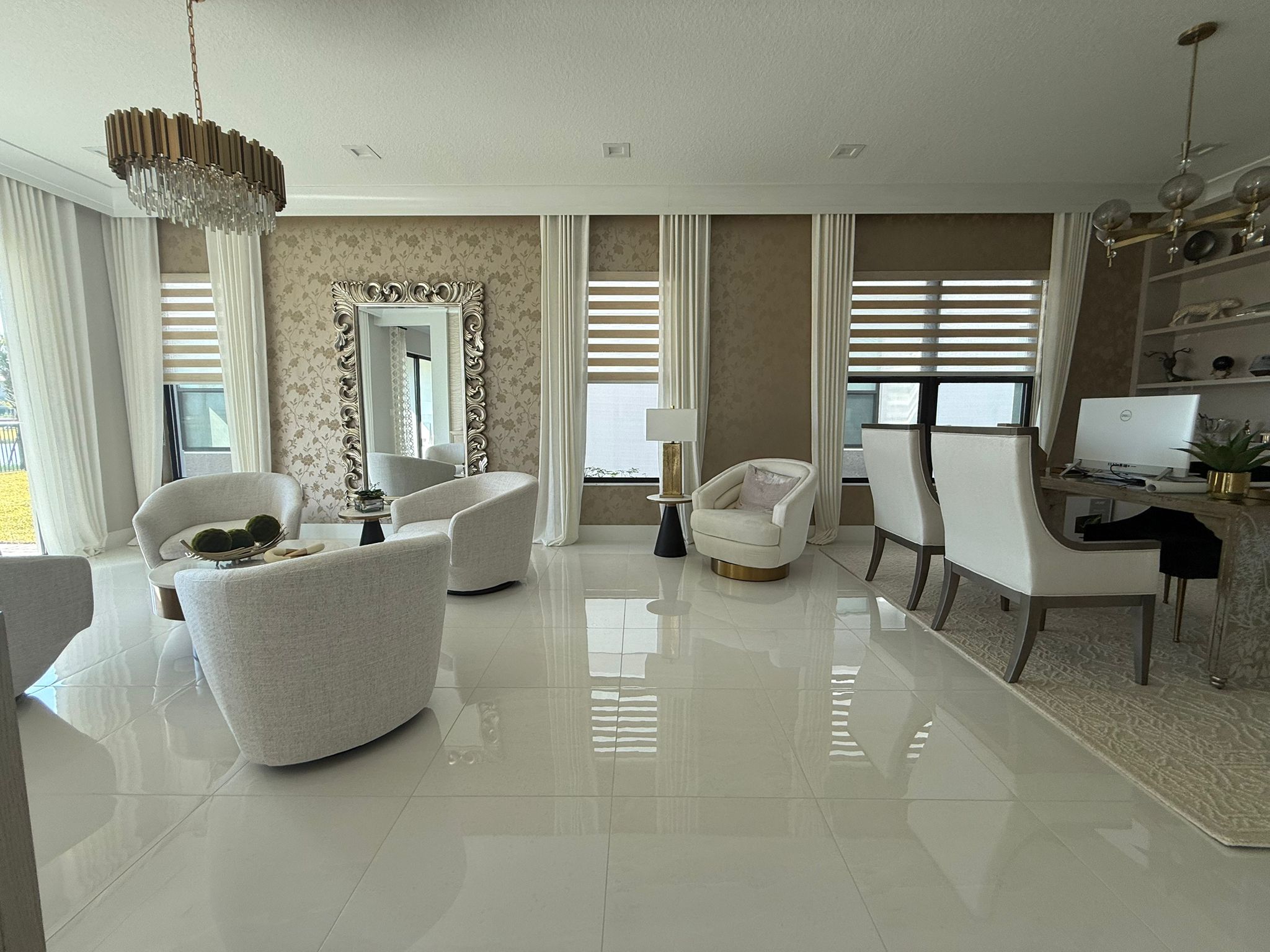
Zebra shades alternate sheer and solid fabric bands, allowing the homeowner to adjust the alignment for light control and privacy. They have a distinctive modern appearance, but the layered fabric is more delicate than a standard roller shade.
Honeycomb or cellular shades are two names for the same product. Their cellular construction creates a soft appearance and can provide an additional insulating layer at the window.
Woven-wood shades are essentially a style of Roman shade: the material lifts from the bottom and stacks into folds. The main difference is the material. Woven woods use bamboo, grasses, reeds or other natural-looking textures instead of conventional drapery fabric, and a liner can be added when greater privacy or room darkening is needed.
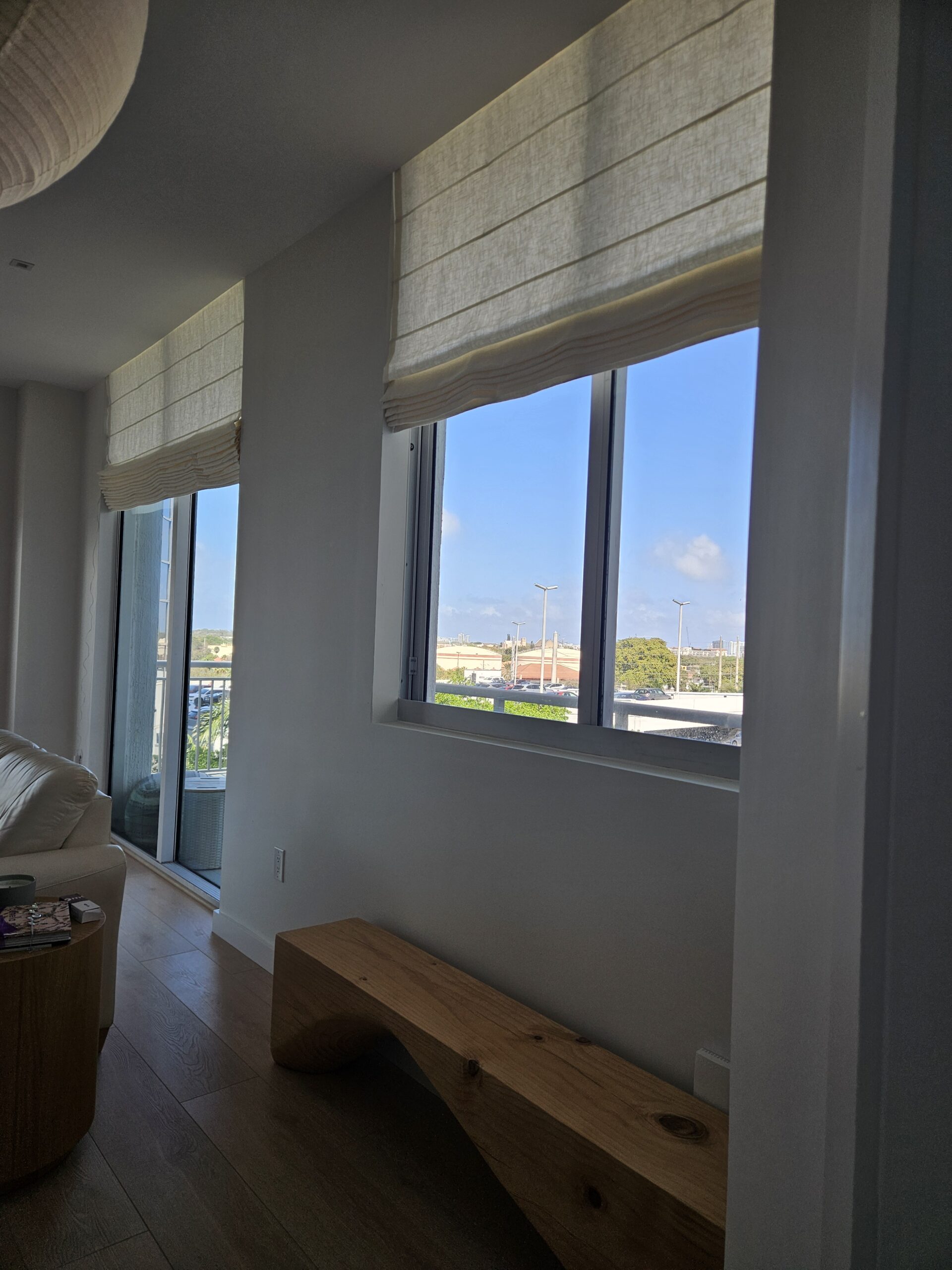
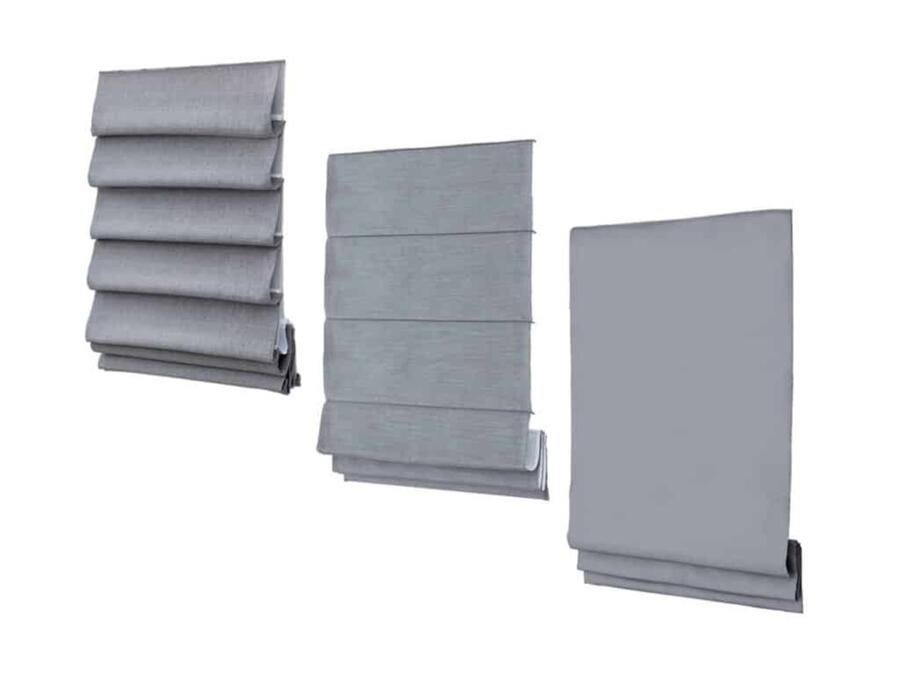
Roman shades provide a tailored fabric treatment that raises from the bottom and stacks into folds. Some manufacturers offer curated fabric collections at a more accessible price, while fully custom Roman shades are made from individually selected fabric with custom fabrication, lining and hardware.
Common Roman Shade Styles
Roman-shade terminology varies somewhat by manufacturer, but the most common styles include:
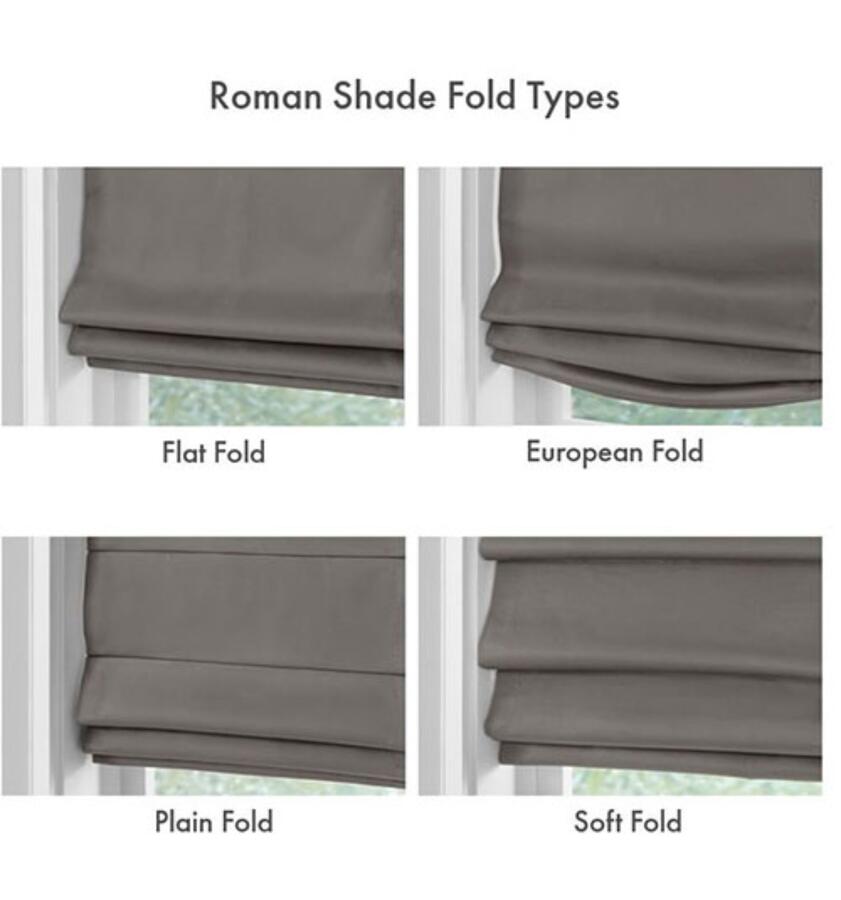
- Flat or plain fold: A clean, tailored face when lowered, with fabric stacking neatly at the bottom as the shade rises.
- Soft fold: Visible folds remain across the shade even when it is lowered, creating a fuller and more traditional appearance.
- Relaxed or European fold: The bottom forms a gentle curve for a softer, more decorative look.
- Swag: More pronounced curved folds create a formal, decorative treatment.
- Tie style: Fabric is gathered or tied at intervals for a casual decorative appearance and is generally chosen more for style than frequent operation.
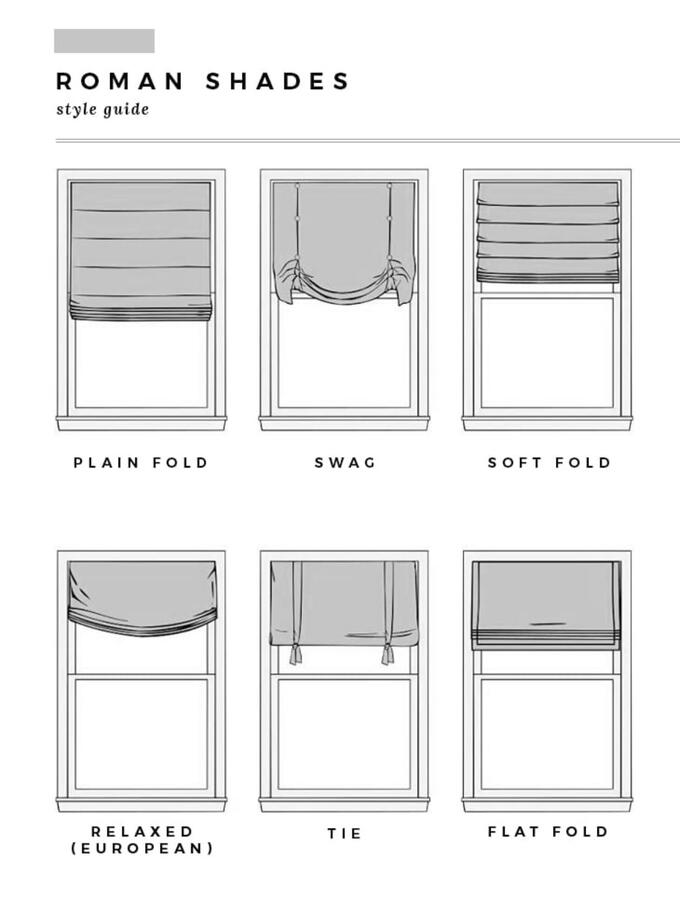
PBSS helps select the fold style based on the chosen fabric, lining, window size, desired appearance and how often the shade will be operated.
Blinds or Roller Shades for Sliding-Glass Doors?
Vertical blinds remain practical for sliding-glass doors. A homeowner can rotate the vanes for filtered light and partial privacy, then open the treatment just enough to walk through the door. They are also among the more affordable large-door options.
Roller shades have become more popular on sliding doors because they provide a cleaner look and retract almost completely out of sight. The tradeoff is access: a single large roller shade may need to be raised before someone can pass through the door. Depending on the opening, multiple shade panels may improve access but create additional vertical fabric gaps.
The best decision is often visual and functional. PBSS shows customers photographs and videos of both options and considers how frequently the door is used, whether preserving the view is the priority and where the treatment will stack when open.
When Is Motorization Worth It?
Roller, solar, zebra, Roman, woven-wood and cellular shades can generally be motorized. Faux-wood blinds and vertical blinds are normally manual products.
Motorization is most valuable when a shade will open and close every day, controls an entry or exit, is difficult to reach, or is part of a group of windows that should move together. It may also be recommended or required for very large shades because repeated manual operation can place excessive strain on chains, cords and internal gears.
PBSS most often installs rechargeable motors. With typical daily use, a charge may last approximately nine months to one year. Recharging generally takes around three to four hours. Low-voltage and standard-voltage plug-in options are also available when power has been planned near the shade headrail.
Compatible radio-frequency motors can be connected through a suitable smart-home bridge, allowing homeowners to create groups, scenes and schedules and, depending on the selected system, connect with voice assistants such as Alexa. Compatibility should always be confirmed for the specific motor before ordering.
Children, Pets and Cleaning
For homes with young children, cordless products and motorization reduce the risks associated with accessible operating cords. Updated window-covering safety standards that took effect June 1, 2024, eliminated many free-hanging cords from newly manufactured products and strengthened requirements for permitted operating systems. Homeowners should still select a product appropriate for the room and keep older corded treatments away from children.
Pets and everyday wear matter too. Cats can easily damage the delicate fabric layers of zebra shades. Fabric shades can also stain from dirty hands, coffee, wine or other spills, and aggressive cleaning can discolor the material. Hard-surface products such as faux-wood blinds, vertical blinds and plantation shutters are generally more forgiving in busy households.
Installation Quality Matters
A correctly ordered shade must be wide enough for the opening, mounted level so it rolls properly and secured safely. A bracket fastened only into weak drywall or an unsuitable anchor can loosen, allowing a large shade to fall and potentially cause injury or property damage.
PBSS prefers to secure brackets into structural wood or concrete whenever practical. Concrete installations may require proper masonry fasteners such as Tapcons. Professional measuring also accounts for window obstructions, mounting depth, cassette clearance, panel gaps and the way doors and windows operate.
Special Considerations for Palm Beach County Condos
High-rise condominiums frequently require a certificate of insurance and may request that the association or property manager be listed according to the building’s insurance requirements. Buildings can also restrict working hours, elevator use and contractor access.
Some beachfront condominiums have seasonal construction moratoriums—often during portions of November through March—so owners should verify their building’s rules before placing an order. Because policies vary, PBSS coordinates installation planning around the specific property’s requirements.
Ordering, Timeline, Tax and Warranty
- Payment: 50% deposit, with the balance due at installation.
- Typical timeframe: approximately three to four weeks from deposit to completed installation.
- Sales tax: blinds and shades are subject to applicable sales tax.
- PBSS workmanship and service warranty: one year.
- Typical product warranty: approximately five years against manufacturer defects, depending on the selected product.
- Typical motor warranty: approximately five years, depending on the manufacturer.
Routine items such as a broken chain or gear can often be replaced locally. Damage caused by pets, torn or stained fabric, broken slats or other accidental damage is normally outside the manufacturer warranty, but PBSS can help determine the most practical repair or replacement option.
How to Compare Blinds-and-Shades Estimates
Before choosing solely by price, ask each company:
- Are the estimates for the same product type, fabric category and operating system?
- Are professional measuring, delivery and installation included?
- Who will perform the installation?
- How will the brackets be secured?
- Is motor programming included?
- What product, motor and workmanship warranties apply?
- Who handles service after installation?
- How involved is the owner throughout the process?
A roller-shade estimate cannot be compared directly with a zebra, Roman or cellular-shade estimate. Confirming the exact product and included service is the only way to make a useful apples-to-apples comparison.
Which Is Better for Your Home?
Choose faux-wood or vertical blinds when low cost, durability and easy cleaning are the primary concerns. Choose roller shades for a clean, modern appearance, flexible light control and a wide-open view when raised. Consider zebra shades for a distinctive contemporary look, Roman or woven-wood shades for decorative softness, and cellular shades for a tailored fabric option with insulating construction.
The best recommendation comes from seeing the windows, learning how the room is used and understanding what matters most to the homeowner. Palm Beach Shutters & Shades provides in-home consultation, measuring, product guidance, installation, motor programming and local service throughout Palm Beach County.